+1-613-733-7999
info[@]icbes.net



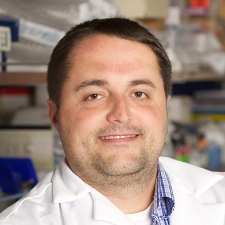
University of California San Diego, USA
Plenary Speaker
Adam J. Engler is a Professor and Chair of Bioengineering at UC San Diego, where he has been on the faculty since 2008. He also is a resident scientist at the Sanford Consortium for Regenerative Medicine. Dr. Engler previously trained at the University of Pennsylvania, where he earned his PhD studying how ECM stiffness regulated stem cell fate. He also trained as a postdoc at Princeton University's Department of Molecular Biology, funded by the National Cancer Institute. Dr. Engler has received numerous awards in recognition of this research, including awards from the Biomedical Engineering Society, American Society of Matrix Biology, American Society of Mechanical Engineering, and American Society for Engineering Education. Dr. Engler is a fellow of the American Institute for Biomedical Engineering, the Biomedical Engineering Society, and a recipient of an NIH New Innovator Award.
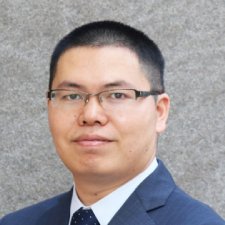
University of Wisconsin–Madison, USA
Plenary Speaker
Dr. Quanyin Hu is an Robinson Distinguished Chair, Associate Professor at the School of Pharmacy, University of Wisconsin-Madison (UW-Madison). He received his Ph. D. degree in Biomedical Engineering at the University of North Carolina at Chapel Hill (UNC-CH) and North Carolina State University from 2014-2018. Before he joined UW-Madison, he was a postdoc associate at the Koch Institute for Integrative Cancer Research at the Massachusetts Institute of Technology (MIT) from 2018-2020. Dr. Hu is a newly elected AIMBE fellow and currently serving as the Associate Editor for the Journal of Nanobiotechnology. He has published more than 100 research papers, including Nature Biotechnology (2024, 2026), Nature Nanotechnology (2025), Nature Biomedical Engineering, Nature Reviews Clinical Oncology (2026), Nature Review Bioengineering (2024), Science Translational Medicine, with over 18,000 citations. Dr. Hu is recognized as NCI R01 awardee, NIBIB R01 Awardee, NIBIB Trailblazer, American Cancer Society (ACS) Research Scholar, V Foundation Scholar, the MIT Innovators under 35 (TR35) China, the 2023 BMES-CMBE Rising Star Junior Faculty, 2023 Journal of Nanobiotechnology Rising Star, 2022 iCANX Young Scientist, UW Madison Early Career Innovator, Clarivate Highly Cited Researcher (2022-2025), Young Investigator from many societies and Foundations, Emerging Investigator from many journals.
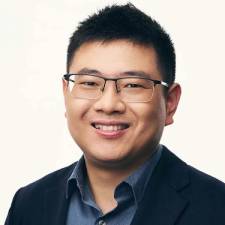
Rice University, USA
Plenary Speaker
Dr. Lei Li is an incoming Assistant Professor of Electrical Computer Engineering at Rice University. His primary research interest is to build next-generation medical imaging devices to better understand the brain and more clearly perceive disease states. He has developed advanced photoacoustic computed tomography (PACT)—an non-invasive imaging modality that combines light and sound for deep-tissue imaging—to visualize wholebody dynamics, map whole-brain functional connectivity, and diagnose human breast cancer. He has developed a PACT-guided microrobotic system to navigate and control microrobots inside the body for drug delivery. He has also integrated photoswitchable proteins with PACT to monitor tumor metastasis and visualize intratumor protein interactions. Pushing the benchtop photoacoustic system toward wearable devices, he introduced ergodicity into PACT and developed a high-throughput imaging system with significantly reduced size and complexity, promising wearable applications. Dr. Li obtained his Ph.D. from the Department of Electrical Engineering at California Institute of Technology (Caltech) in 2019. He then continued his research at Caltech as a postdoctoral scholar in the Department of Medical Engineering. He will join Rice in Jan 2023 as part of the Rice Digital Health Initiative.